
Sidewalks, Walkways & Flatwork
Safe, attractive walkways connect your property and make everyday movement easier for your family and guests.
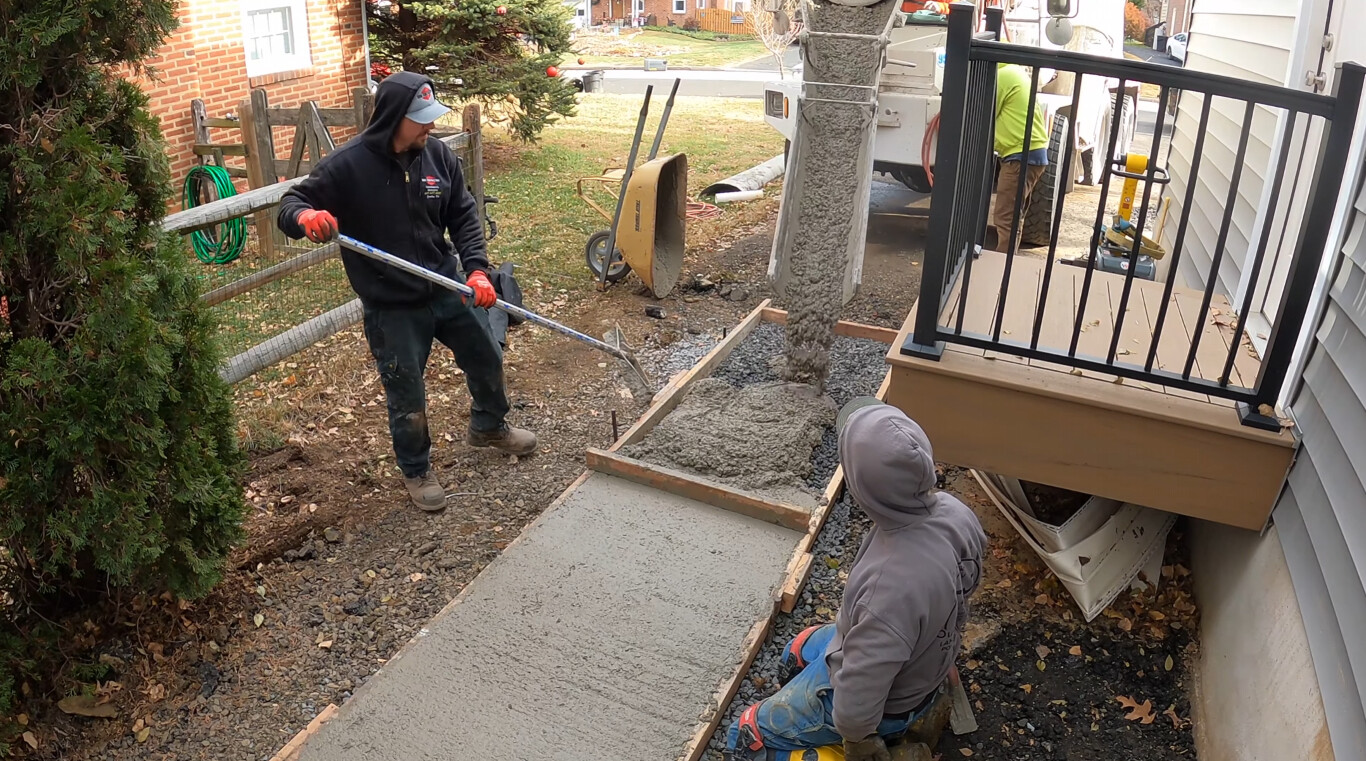
Why Quality Walkways Matter More Than You Think
Sidewalks and walkways get used constantly but often receive little attention until problems develop. Uneven surfaces create trip hazards that can lead to injuries and liability issues. Cracked or sunken sections trap water and ice, making paths slippery and dangerous. Poor drainage causes erosion and undermines the concrete, leading to more damage. These problems start small but grow worse over time.
Quality flatwork does more than just provide a path from point A to point B. It enhances your property's appearance and curb appeal. A well-designed walkway guides visitors naturally to your entrance and creates visual flow in your landscaping. It defines spaces in your yard and provides stable surfaces for activities. When done right, flatwork becomes a functional asset that serves your property for decades with minimal maintenance.
Here in Dunedin, FL, our climate puts special demands on outdoor concrete. Heavy rains test drainage systems. Heat and humidity affect concrete performance. Tree roots can push up sidewalks over time. We understand these local challenges and design our concrete flatwork to handle Florida conditions. Proper preparation, adequate thickness, and smart design prevent most problems before they start.
Flatwork Services for Every Need
Flatwork includes any horizontal concrete surface that is not a driveway, patio, or foundation. Each type of flatwork has its own design considerations and installation requirements. We tailor our approach to your specific needs and property conditions.
Our Flatwork Services Include
- Front entry walkways connecting your driveway to your front door
- Garden paths and stepping stone walkways through landscaped areas
- Side yard pathways providing access to gates and utilities
- Public sidewalks meeting municipal code requirements
- ADA-compliant accessible walkways with proper slope and width
- Aprons and approach slabs connecting driveways to streets
- Basement and crawl space floors
Width and layout depend on the walkway's purpose and traffic level. Main entry walks should be at least 4 feet wide so two people can walk side by side comfortably. Utility access paths can be narrower, typically 3 feet wide. We help you determine appropriate dimensions based on how you will use each walkway. Wider paths feel more welcoming and handle higher traffic better.
Curves and angles add visual interest but require more skill to execute properly. We can create gentle curves that follow natural contours in your yard, angular paths that complement modern architecture, or traditional straight walks for formal settings. The finish options for walkways match what is available for patios and driveways. You can choose from smooth finishes, exposed aggregate, stamped patterns, or decorative borders that tie into your overall landscape design.
How We Build Walkways That Last
Proper installation starts with careful planning and site preparation. We evaluate drainage patterns, identify potential problems like tree roots or utility lines, and design the walkway to avoid future conflicts. We mark the layout precisely and get your approval before we start digging. This planning phase prevents mistakes and ensures the finished walkway meets your expectations.
Excavation depth matters for long-term performance. We dig deep enough to create a stable base and provide proper support. In most cases, we excavate 6 to 8 inches below the final surface level. This allows room for 4 inches of compacted gravel base and 4 inches of concrete. Skimping on base thickness or concrete thickness leads to cracking and failure within a few years.
Slope and drainage design keeps water moving away from buildings and prevents pooling. We typically slope walkways at least 1/8 inch per foot, which is enough for drainage but not noticeable when walking. For areas near house foundations, we slope away from the building to protect your foundation and basement. We also consider how water will flow during heavy rains and make sure it has a clear path away from the concrete.
Control joints prevent random cracking by creating intentional weak points where the concrete can crack in straight lines. We space control joints appropriately for the width of the walkway and saw-cut them within 24 hours of pouring. These joints are nearly invisible but crucial for long-term performance. Some contractors skip this step, which leads to unsightly random cracks within the first year.
For walkways near trees, we take extra precautions to prevent root damage. We may need to install root barriers, adjust the path to avoid major roots, or use reinforcement to resist upward pressure. Tree roots are incredibly strong and will lift concrete if not addressed during installation. Planning for root growth now prevents costly repairs later.