
Concrete Pool Decks
Your pool deck needs to be safe, durable, and attractive while handling constant moisture and heavy use all summer long.
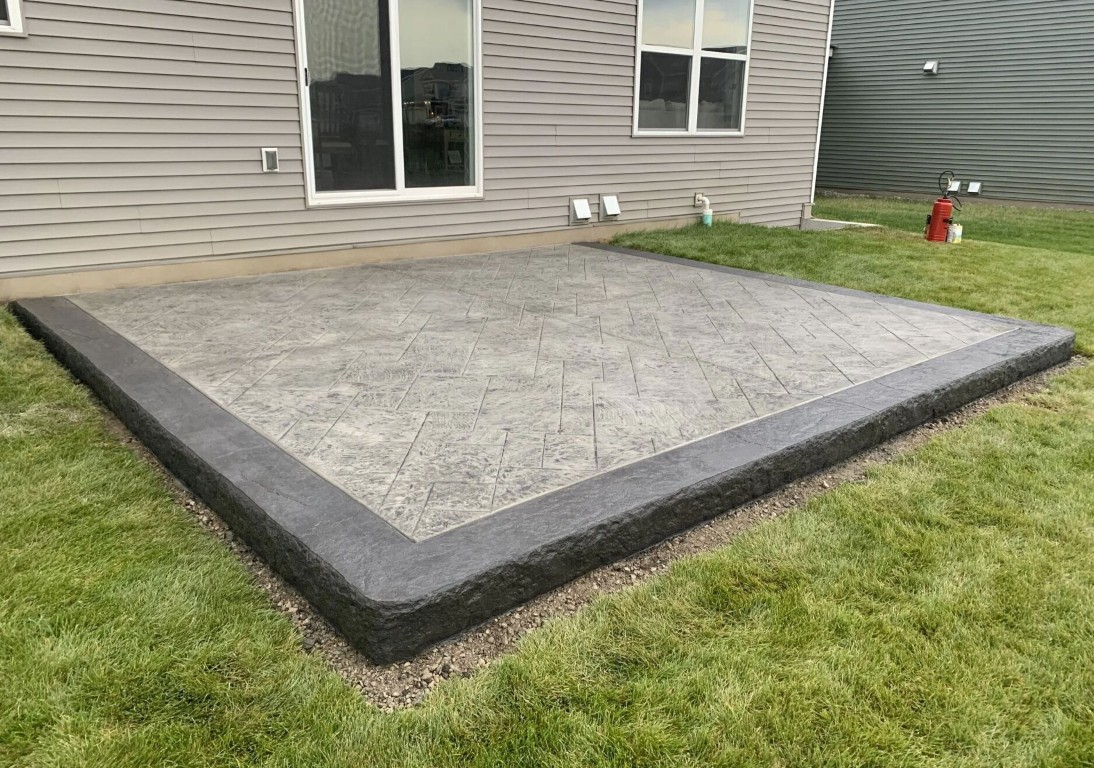
What Makes Pool Decks Different
Pool decks face challenges that other concrete surfaces do not. They stay wet for hours after swimming. Pool chemicals splash onto them regularly. People walk barefoot on them in summer heat. These conditions require special attention to slip resistance, heat reflection, and chemical resistance. A deck that works fine for a patio might be dangerously slippery or unbearably hot around a pool.
Safety is the top priority for any pool deck. Wet concrete becomes slippery, creating fall hazards for swimmers. We always use textured finishes that provide traction even when wet. Broom finishes, exposed aggregate, and certain stamped patterns all offer good slip resistance. Smooth trowel finishes might look sleek but they become skating rinks when wet. We steer you toward finishes that keep your family and guests safe.
Heat absorption is another major concern in Florida. Dark colored concrete soaks up sun and becomes too hot to walk on barefoot. Light colors reflect more heat and stay much cooler. Textured surfaces also feel cooler than smooth ones because the texture creates tiny shadows. When planning your pool deck design, we help you choose colors and finishes that stay comfortable even on the hottest summer days. You want people to enjoy your pool area, not hop across the deck trying to avoid burning their feet.
Creating a Beautiful Pool Environment
Your pool deck sets the tone for your entire backyard. The right design creates a resort feel that makes your pool area the favorite spot on your property. We can create virtually any look you want while maintaining the safety and durability your deck needs.
Popular Pool Deck Features
- Stamped concrete resembling natural stone, travertine, or slate
- Exposed aggregate in light colors for slip resistance and coolness
- Knockdown texture providing subtle grip and visual interest
- Decorative borders and accent bands defining different zones
- Built-in planters and seating walls adding functionality
- Steps and multiple levels for above-ground pools
- Integrated spa or hot tub areas with matching finishes
Color selection dramatically affects both appearance and comfort. Light tans, soft grays, and sandy beiges look natural and stay relatively cool. They also hide minor staining better than pure white or very dark colors. You can add subtle color variations using multiple tones or staining techniques to create depth and visual interest. These variations make your deck look more like natural stone and less like plain concrete.
The deck layout should flow naturally from your house to the pool and create logical spaces for different activities. Consider where people will enter the pool, where furniture will go, and how traffic will move around the deck. Wider areas near the pool provide room for lounging. Narrower walkways work fine for circulation. Many homeowners extend their deck to connect with outdoor patios or walkways, creating an integrated outdoor living space that maximizes functionality and value.
Building Pool Decks That Perform
Concrete pool decks require careful planning and execution. We need to work around pool equipment, existing plumbing, and electrical lines. We must slope the deck properly so water drains away from the pool and your house. These technical requirements take experience to handle correctly. Poor drainage creates standing water that breeds mosquitoes and causes premature deterioration.
The deck typically extends at least 4 feet from the pool edge to meet most building codes and provide adequate space. Wider decks offer more room for furniture and activities. We help you determine the right size based on your yard dimensions, budget, and how you plan to use the space. Bigger is not always better if it crowds your yard or exceeds your budget, but too small feels cramped and limits functionality.
Expansion joints between the deck and pool coping allow for movement without cracking. Concrete expands and contracts with temperature changes. If we bond the deck rigidly to the pool, something will crack. Proper joints accommodate movement while keeping a finished appearance. We place control joints strategically to minimize visible cracking and maintain the deck's aesthetic appeal.
Sealing your pool deck protects it from chemicals and staining while enhancing color. Pool water, sunscreen, and outdoor elements all take their toll on concrete surfaces. A quality sealer creates a protective barrier that makes cleaning easier and extends the deck's life. We typically recommend resealing every two to three years depending on use and exposure. This simple maintenance keeps your deck looking great and prevents expensive repairs later.