Retaining Walls & Concrete Masonry
Strong retaining walls control erosion, create usable space, and add structure to sloped properties while enhancing your landscape design.
Why Your Property Needs a Retaining Wall
Sloped yards present challenges that retaining walls solve. Erosion washes away soil during heavy rains, creating bare spots and drainage problems. Mowing and maintaining steep slopes is difficult and dangerous. You lose usable space because sloped ground is hard to build on or landscape effectively. These problems compound over time as erosion continues and slopes become increasingly unstable.
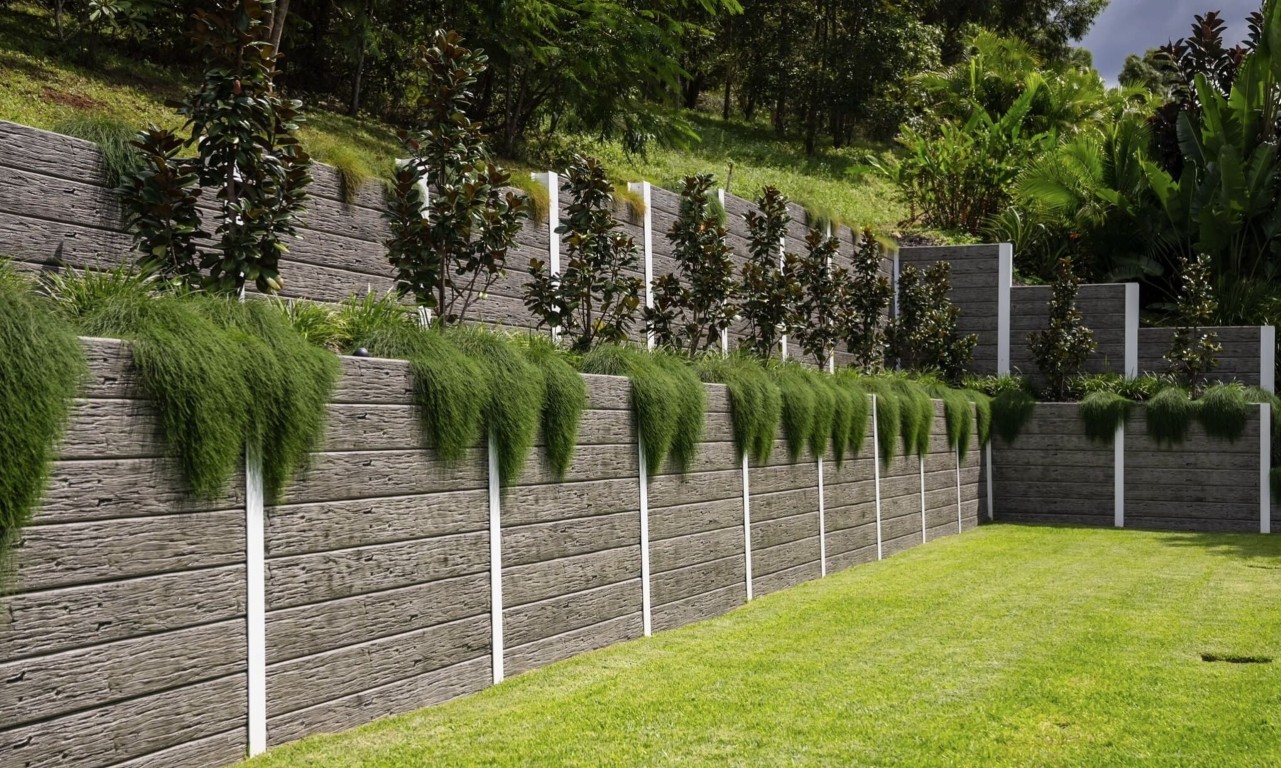
A properly designed retaining wall holds soil in place and creates level terraces you can actually use. You can install garden beds, patios, play areas, or outdoor living spaces on level ground created by retaining walls. The wall protects your property from erosion and prevents soil from washing onto lower areas. It also adds visual interest and defines different zones in your landscape. Many homeowners find that adding retaining walls transforms unusable sloped yards into attractive, functional outdoor spaces.
Here in Florida, our sandy soil and heavy rainfall make erosion control especially important. Water moves quickly through sandy soil and carries it away if nothing holds it back. Retaining walls provide the structure needed to stabilize slopes and manage water flow. When combined with proper drainage systems, they protect your property and prevent costly erosion damage. Our experience with local soil conditions means we design walls that handle Florida's unique challenges effectively.
Retaining Wall Options for Your Property
Different retaining wall types work better for different situations. Wall height, soil conditions, drainage requirements, and aesthetic preferences all influence which type makes the most sense for your project. We help you choose the right wall system based on your specific needs and budget.
Retaining Wall Systems
- Poured concrete walls for maximum strength and custom designs
- Concrete block walls offering durability and cost-effectiveness
- Decorative masonry blocks in various colors and textures
- Reinforced walls with rebar and concrete fill for taller heights
- Terraced wall systems for steep slopes requiring multiple levels
- Garden walls integrating planting areas and seating
- Custom designs combining different materials and features
Poured concrete walls offer maximum design flexibility and strength. We can create curved walls, varied heights, integrated steps, and custom finishes. These walls work well for complex sites or when you want a specific architectural look. Poured walls require more setup time and cost more than block walls, but they provide superior strength and unlimited design options.
Concrete block walls balance cost and performance effectively. Modern blocks come in attractive styles that look like natural stone at a fraction of the cost. Block systems install faster than poured walls and still provide excellent strength when properly reinforced. For most residential applications, block walls deliver the performance you need at a reasonable price. They also allow for easier future modifications if you want to extend or alter the wall later. Whether you need a simple garden wall or a major structural installation, we can design a solution that works for your situation.
Building Walls That Stand the Test of Time
Retaining walls must resist enormous pressure from soil, water, and gravity. Poor design or installation leads to leaning, cracking, or complete failure within a few years. We take wall engineering seriously and follow proven design principles that ensure long-term stability. For walls over 4 feet tall, we typically recommend involving a structural engineer to verify design calculations and ensure code compliance.
Foundation preparation makes or breaks a retaining wall. We excavate below frost line and unstable soil to reach solid ground. We create level, compacted bases that distribute weight evenly. For taller walls or poor soil conditions, we may need to install deeper footings or use geo-grid reinforcement. These extra steps add cost but prevent failures that would cost far more to repair.
Drainage is absolutely critical for retaining wall performance. Water pressure behind a wall can cause failure even if the wall itself is strong. We install drainage pipes at the base to collect water and direct it away. We use gravel backfill that allows water to drain rather than building pressure. We may also install weep holes or drainage channels to relieve water buildup. Proper drainage extends wall life dramatically and prevents most common failure modes.
Reinforcement provides the strength retaining walls need to resist soil pressure. Concrete walls need rebar placed strategically based on engineering calculations. Block walls need vertical rebar in hollow cores filled with concrete. Taller walls may require tie-backs anchored into the hillside or geo-grid layers extending back into the soil. We follow engineering specifications exactly because reinforcement is what gives walls their strength. You cannot see reinforcement in a finished wall, but it determines whether the wall lasts 10 years or 50 years.
Quality construction requires attention to countless details. Blocks must be level and aligned precisely. Concrete must be placed properly without voids. Backfill must be compacted in layers to prevent settling. We take the time to do every step correctly because shortcuts lead to problems. A well-built retaining wall should show no movement or distress for decades. That level of performance comes from combining good design with careful execution at every stage of construction.